Click image to open full size in new tab
Article Text
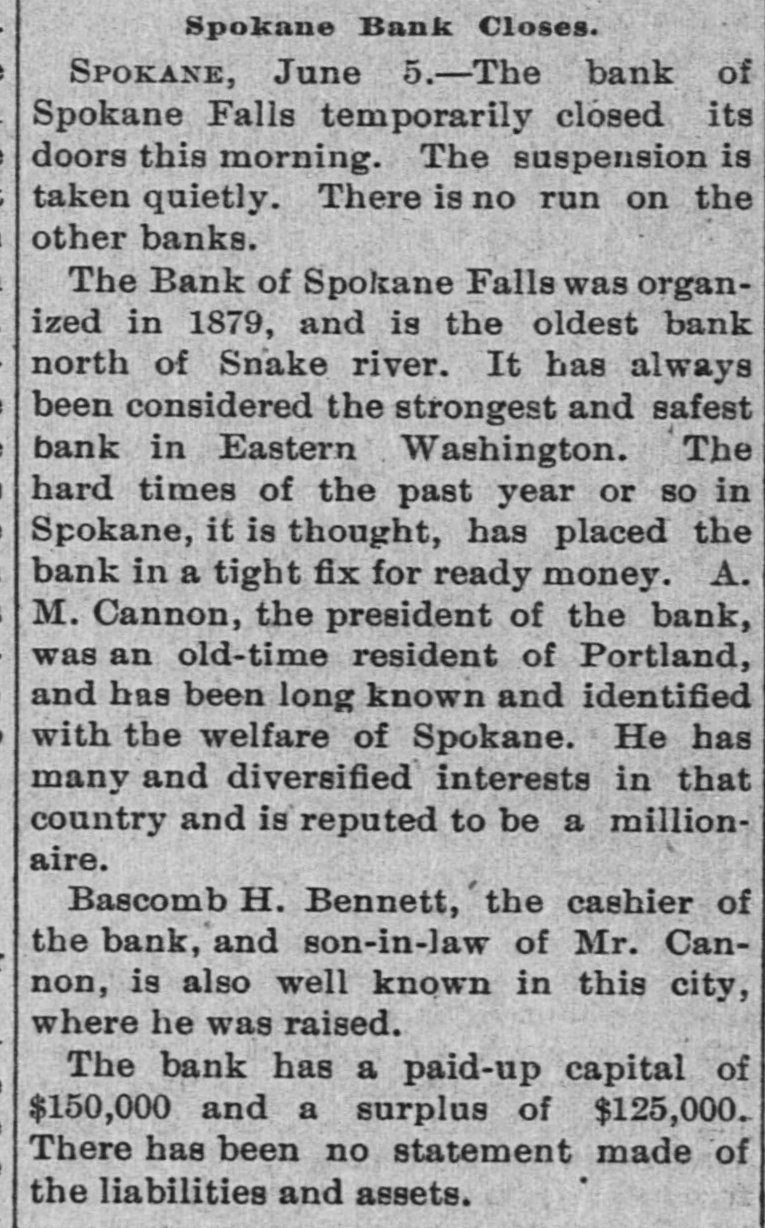
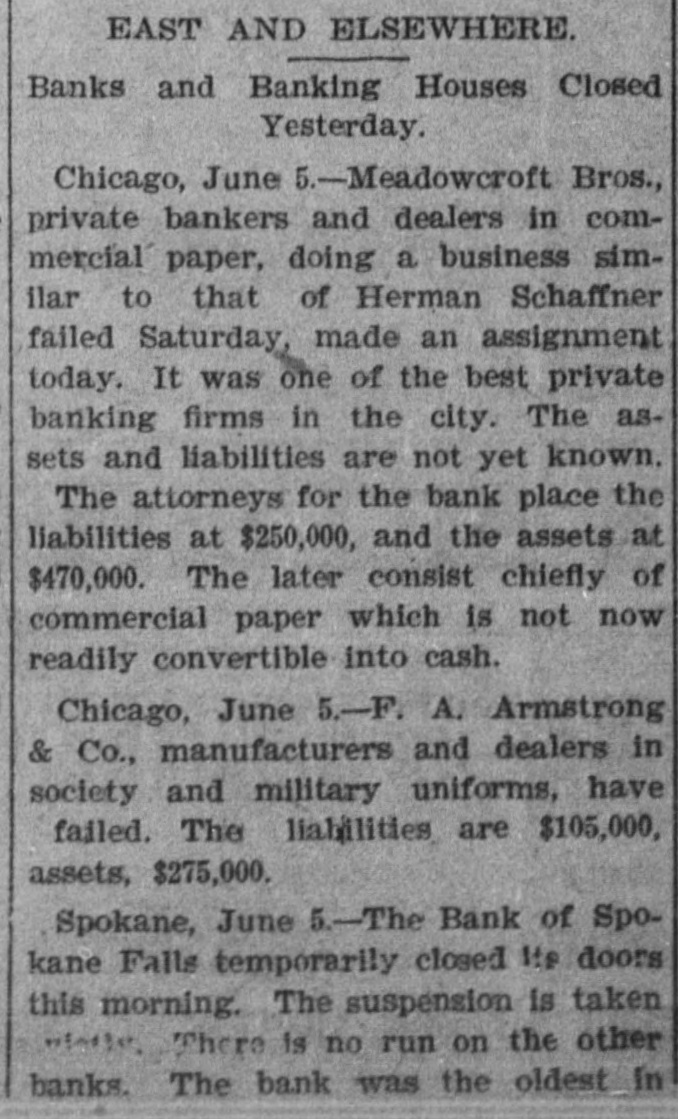
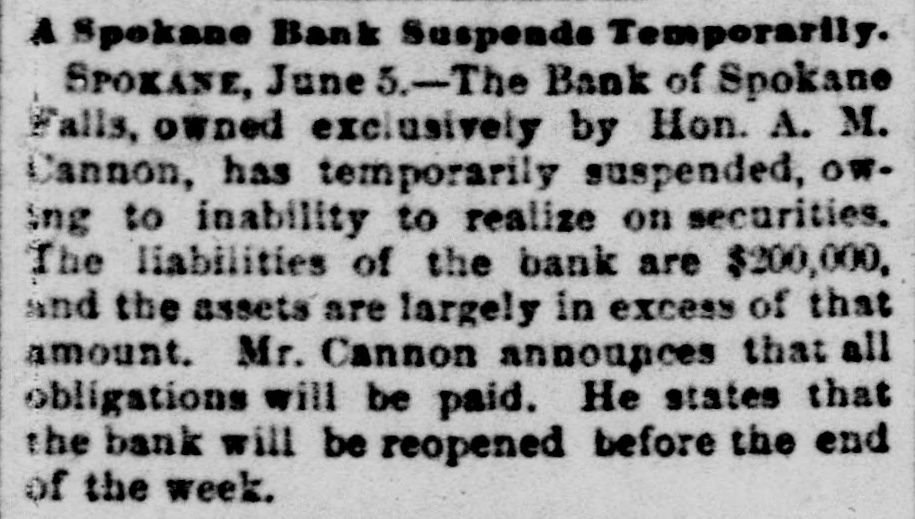
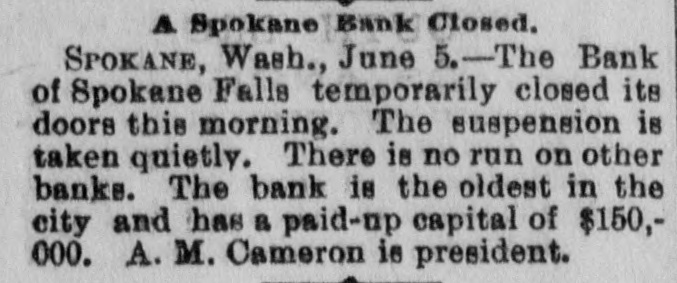
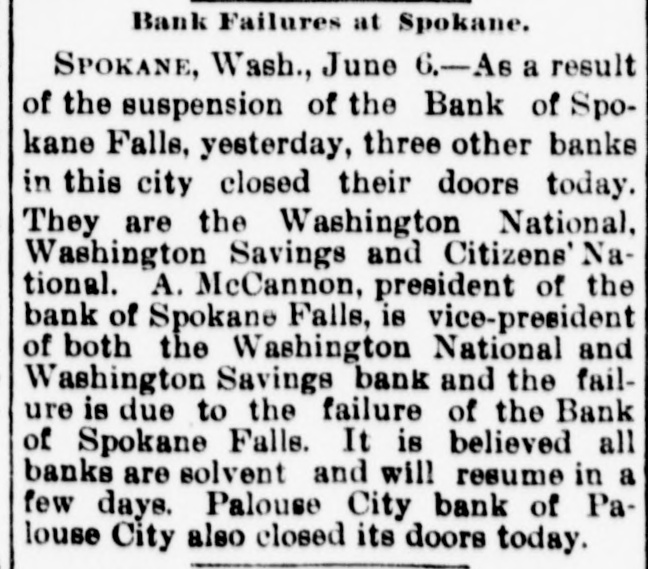
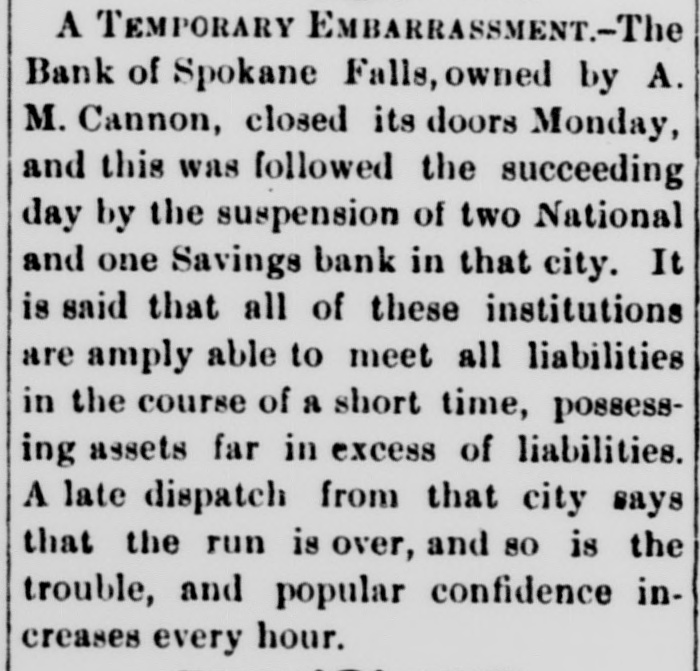
POLICY OF THE ADMINISTRATION, There was net a rift yesterday in the cloud of gloom and despondency that has settled over Wall Street. True, the stock market was fairly strong. but it was also duil. and what strength was shown seemed to be the result of a feeling among operators that the Administration was about to wake up from Its lethargy and find a panacea for the financial IIIs of the country. How or why this miracle was to be accomplished at this late day did not appear, though there was more or less talk of an extra session of Congress which would repeal the Sherman silver Purchase law. of course. the assumption behind this view is that the silver men in Congress have either been won over to Mr. Cleveland's side by a judicious use of patronage, or have taken to heart and understanding the teachings of the "object lesson" with which the country has been favored. Here and there also was found a banker who took I hopeful view of the situation. and expressed with confidence a belief that 'everything would turn out 11 right." but he Was in an almost hopeless ml hority, and was always careful to qualify his remarks with an explanation that he by no means under estimated the serious condition of affairs, and that his optimism was relative only. so serious is the situation considered by most of the conservative business men in Wall Street that they hesitate to say how worried they really feel for fear of adding fuel to the financial fever already raging. What the end will be, OF when, they declare them selves unable to predict. Neither can they now suc cest any remedy except the repeal of the Silver Purchase law, and of the possibility of obtaining that action from Congress they are not over sanguine The time is thought to have gone by when a bond issue would be efficacious even 11 the Ad:ninistration were not still oppesed to one. and faith in the ability of Mr. Cleveland or any member of his Cabinet to devise , means of relief is abs lutely lacking. The particular disturbing elements yesterday came from all over the country. In this city the Canal Street Bank was found to be in trouble, and notice was given by its Clearing House agent. the National Shoe and Leather Bank. that after to-day the latter would decline to handle the former's exchanges. From Chicago came reports of the failure of Meadoweroft Brothers, and the runs that were being mad on two savings and two National banks in that city. In Milwaukee the situation was unrelieved and runs were also reported in progress there. From the Far West came the news of the failure of the Bank of pokane Falls. In Sandusky a savings bank went into a receiver's hands. Other troubles were reported in Texas, in St. Louis and In Kansas City. There was also the announcement of the withdrawal of $1,000,000 gold from the Sub-Treasury for export to-day by Lazard Freres. This raises the amount shipped in ten days to $10,000,000. an average of $1,000,000 a day Including two Sundays and one holiday. All these things furnished fruitful themes for dis cussion. and they were discussed long and earnestly and many remarks were made by Democrats and Re publicans alike that must have caused the ears of Mr. Cleveland and of his Cabinet advisers to fingle. With one accord and without regard r political affiliations, conservative bankers united in condemning the course of the Administration since March 4 as little short of criminal. Those Republican members of Congress who allowed the expectation of partisan advantage to cause them to vete against the repeal of the Silver Purchase 1:111 at the last session, also came In for their share of the criticism. But It was against the vacillating and impotent polley of the Administration that the shafts of the crities were chiefly levelled. It is believed that a large part of the present troubles could have been avoided had Mr. Cleveland and Mr. Carlisle, when they took the direction of the financers of the country into their own hands. pursued the course that was so strongly urged upon them by the financlers of the East. They chose to fly in the opposite direction and to seek their inspiration in the silver producing and cotton growing States, and the country at large is now paying the penalty. As one banker expressed it: We told Mr. Carlisle when he came here to consult with the New-York bankers, just how we thought the trouble that was already in sight could be avoided. We urged him to do certain things to tide affairs over the crisis until the root of the whole evil could be taken out by the repeal of the Act of 1890. We told him just what would happen If those things were not done. Mr. Cleveland elected to follow the advice of men who think, or profess to think, that all New-York financiers are Wall Street bunco steerers' with interests entirely opposed to the rest of the country. Instead of taking means to allay the alarm that already existed, he let affairs run on as they were going and all that Mr. CarHsle has done is to give to the press now and then interviews that have tended admirably to increase the uncertainty and fear. All that we predicted has happened or is happening, until now affairs have reached such a pass that it is beyond the power of the Administration or anybody else but Congress to relieve the tension.' Other bankers talked in a similar strain. The few who were comparatively hopeful for the future found the grounds for their faith partly in the increased exports during the last week of wheat and bread stiffs, and partly in the fact that a general liquidation is going on locally all over the country. and It this is expected to relleve the strain somewhat. 1. also pointed out that the gold movement should work out 118 own solution by reducing the rates for money abroad and increasing them here. which will. 11 is argued. check the export and stop the demand at the same time, while the present low price of food products should cause heavy foreign buying and help to restore the balance of trade. The excitement in Chicago and other Western cities felt here yesterday further than in a heavy currency, was demand was not for which shipped West in to large amounts. This was partly in response demands from the banks and partly in payment of