Click image to open full size in new tab
Article Text
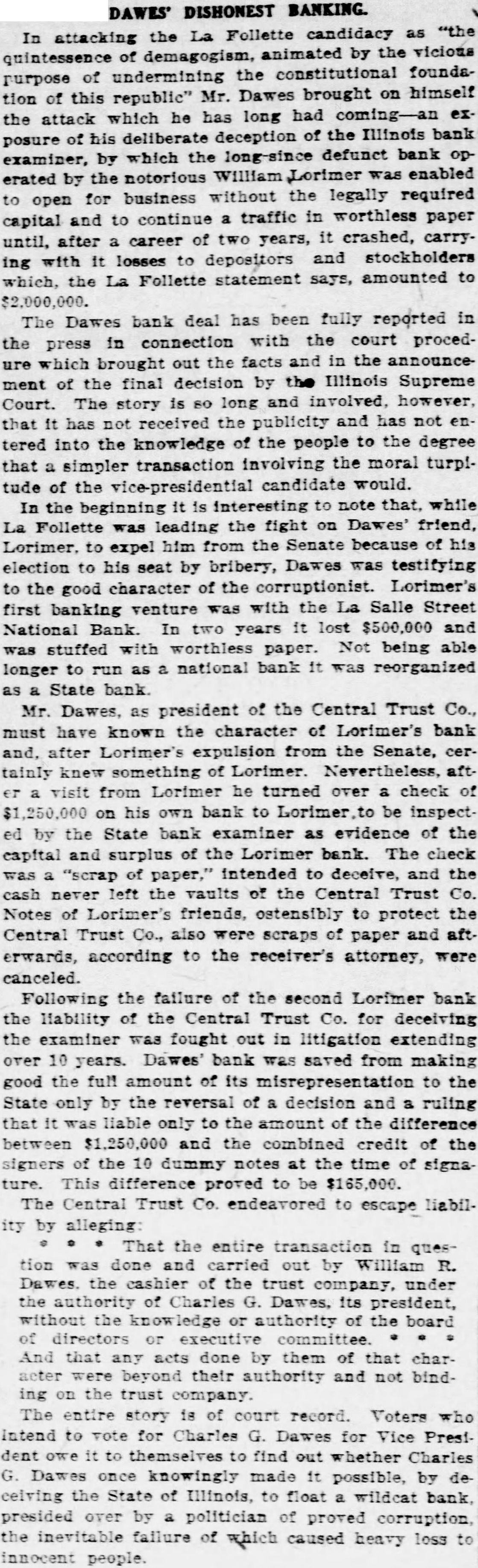
DAWES' DISHONEST BANKING.
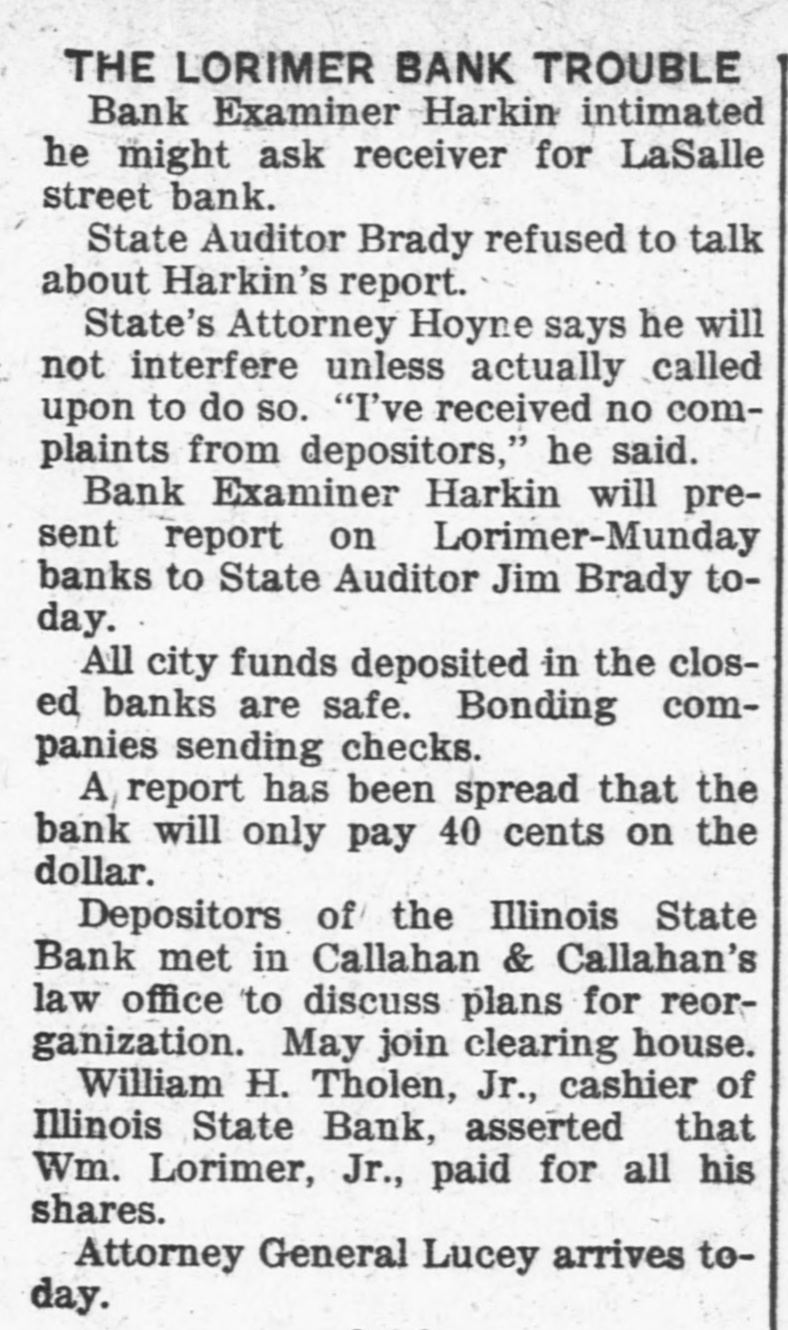
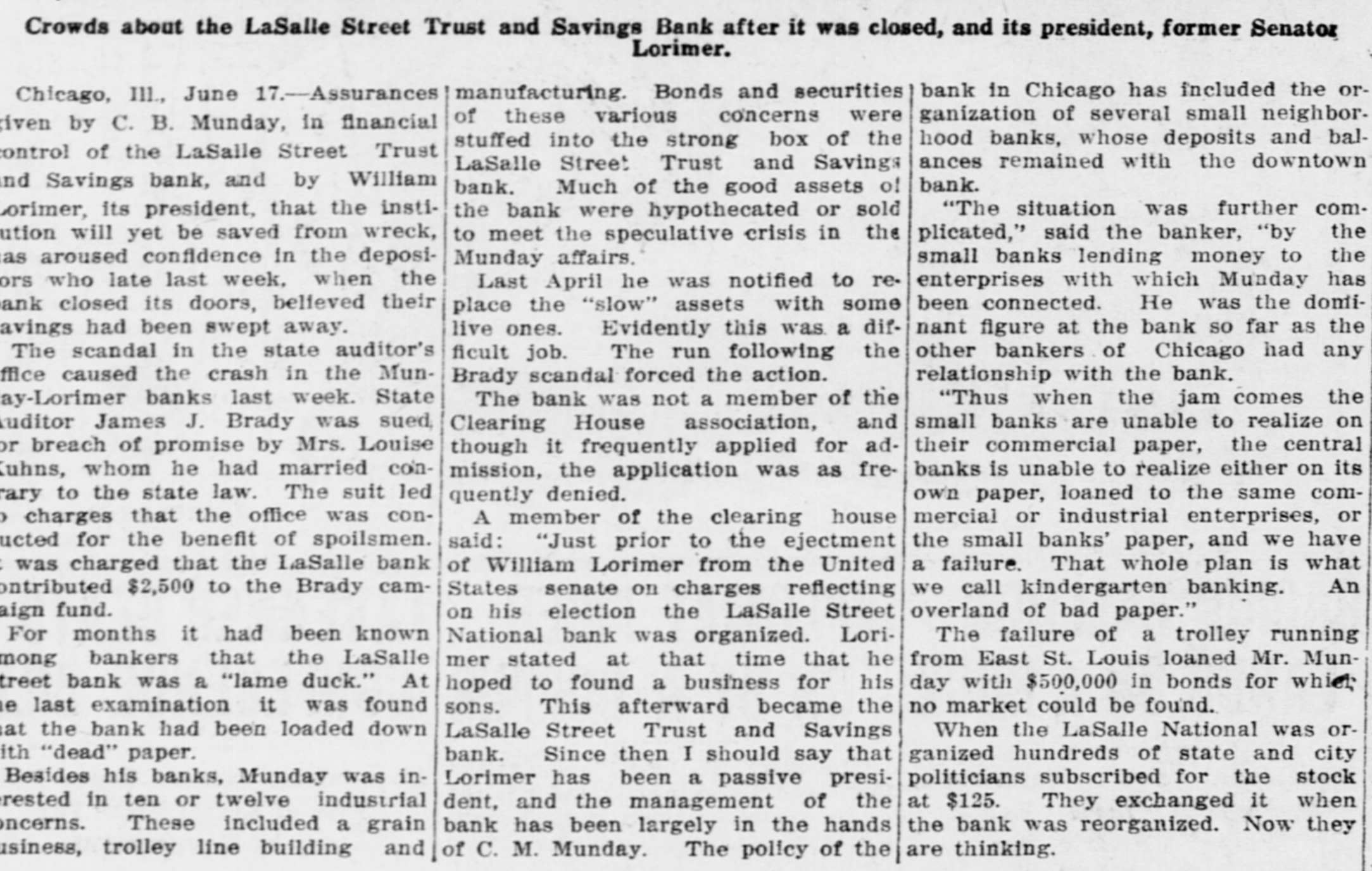
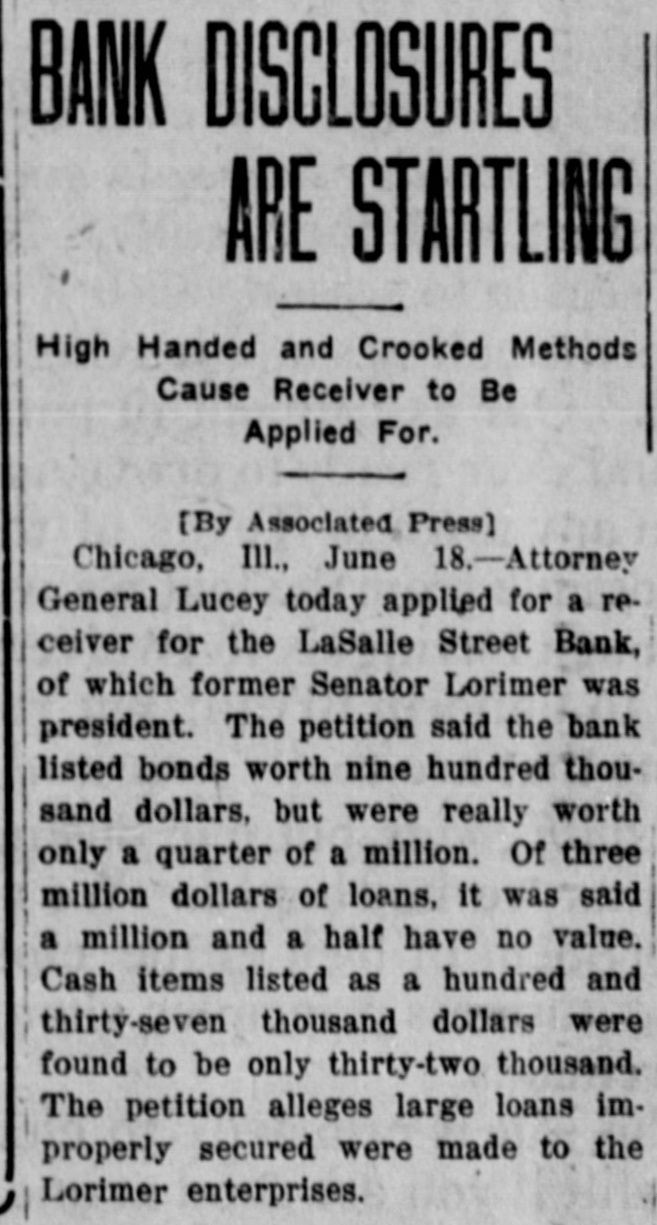
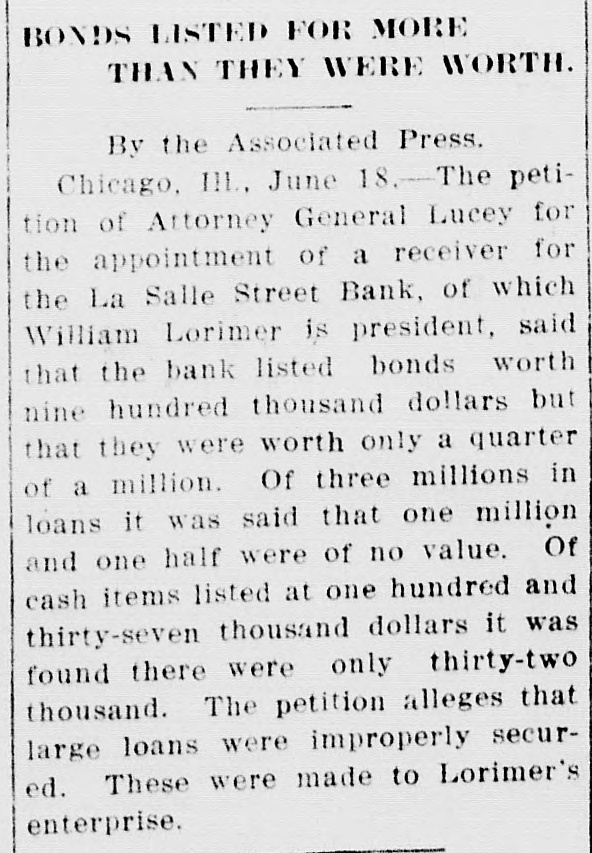
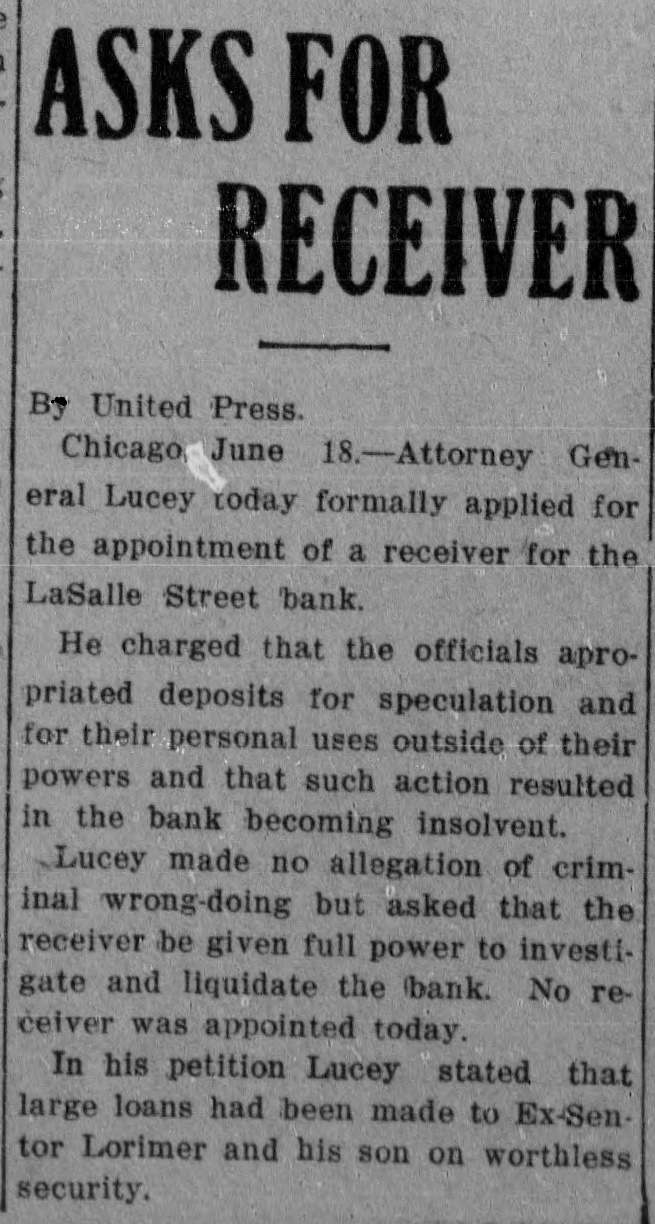
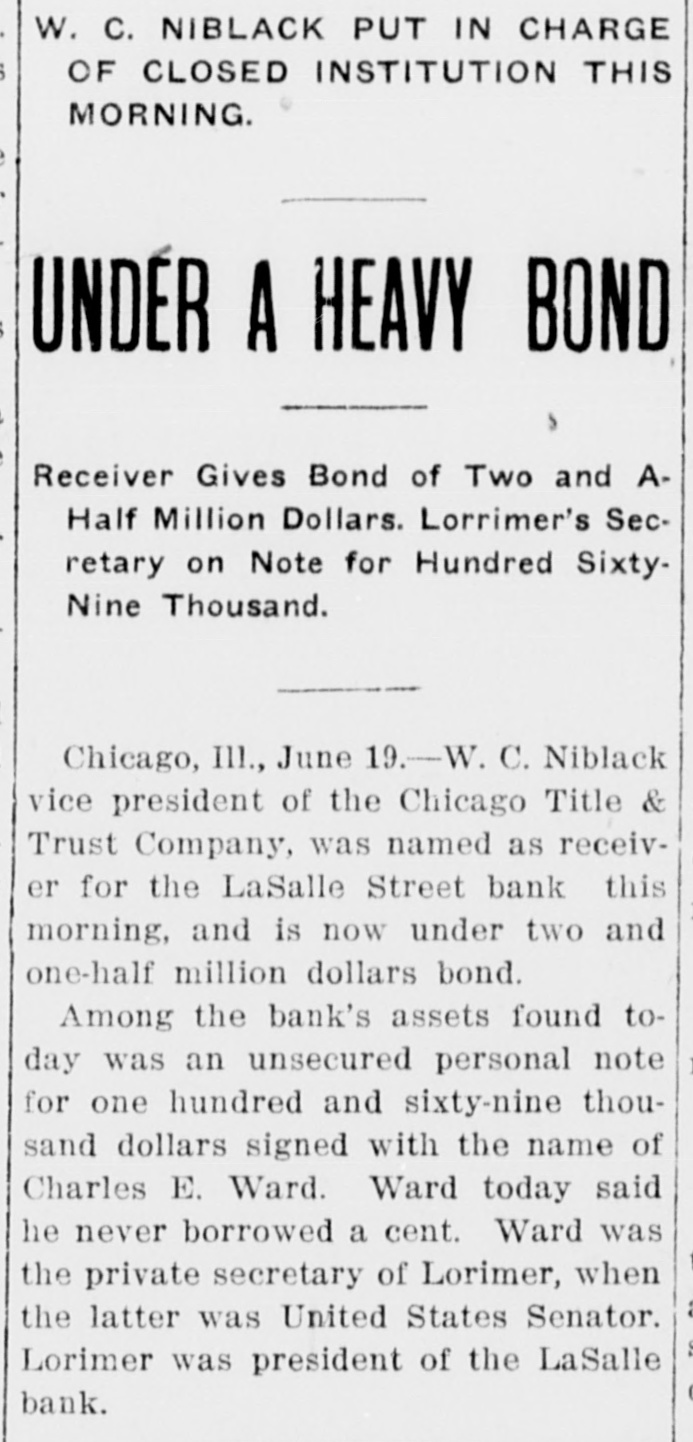
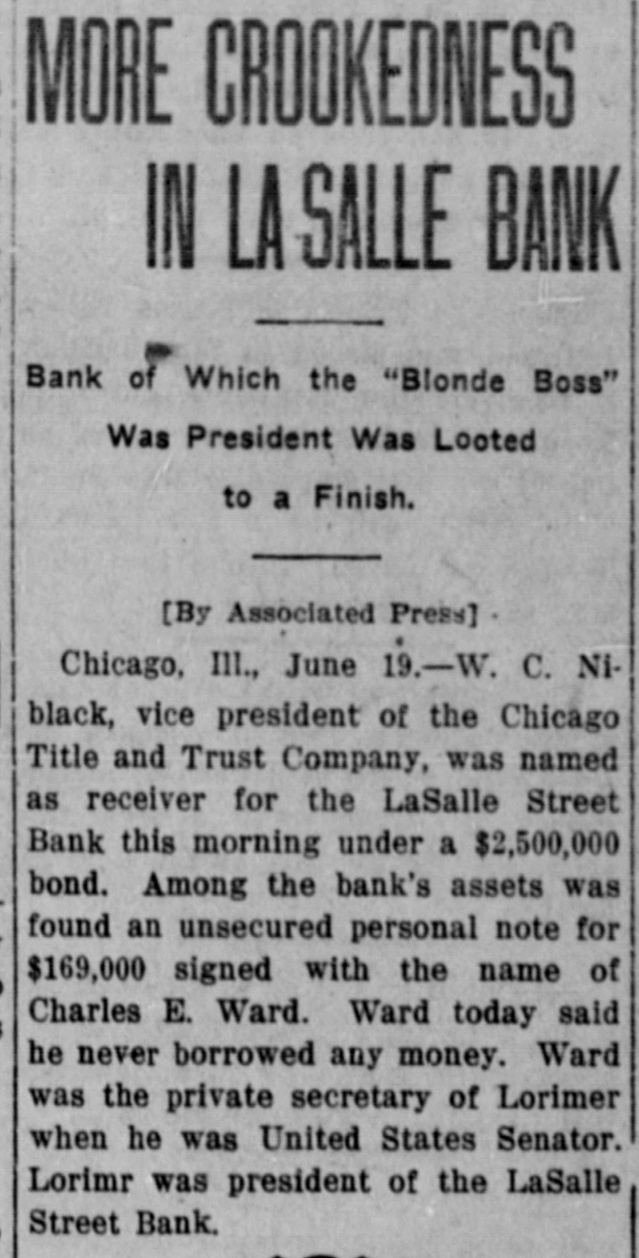
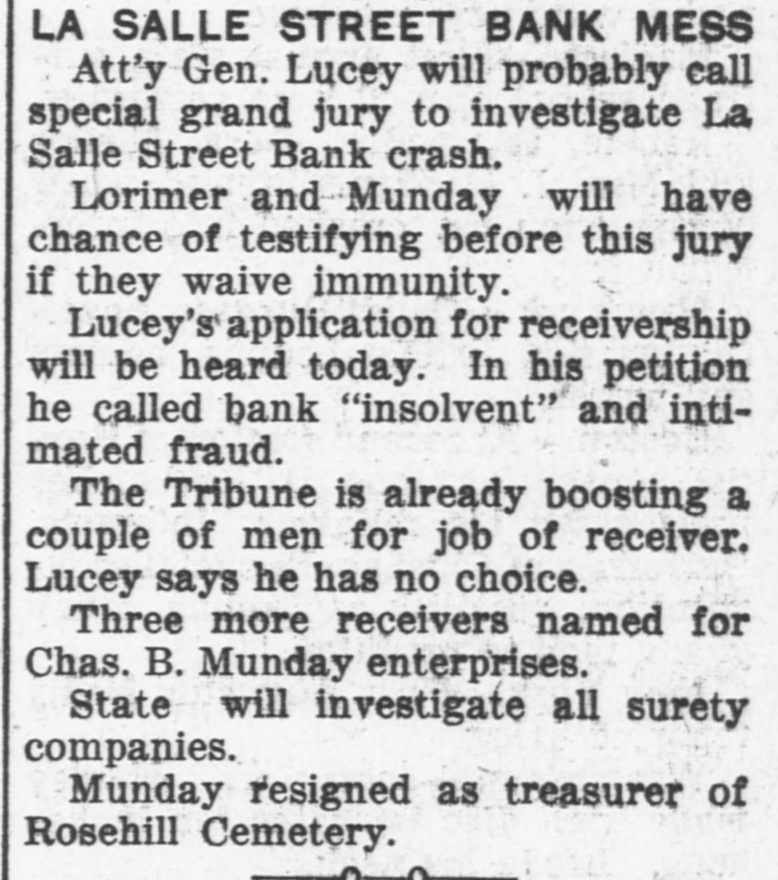
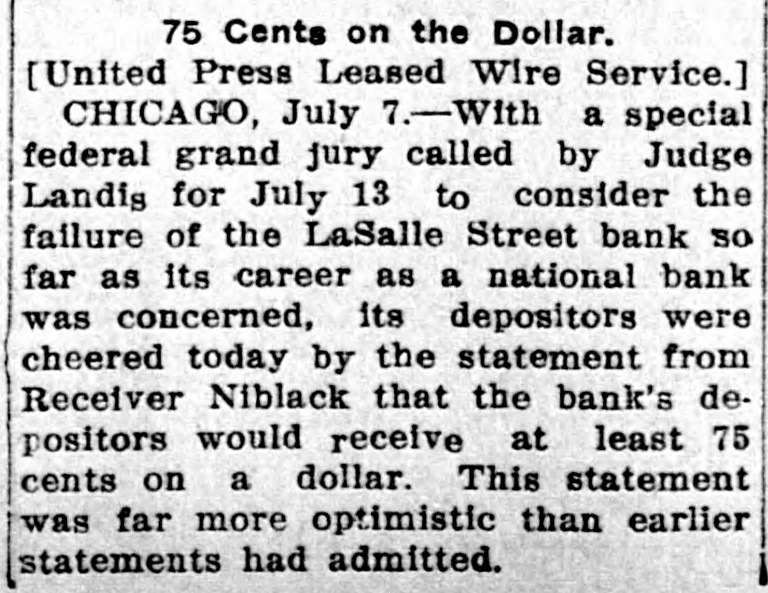
In attacking the La Follette candidacy as "the quintessence of demagogism, animated by the vicious purpose of undermining the constitutional foundation of this republic" Mr. Dawes brought on himself the attack which he has long had coming—an exposure of his deliberate deception of the Illinois bank examiner, by which the long-since defunct bank operated by the notorious William Lorimer was enabled to open for business without the legally required capital and to continue a traffic in worthless paper until, after a career of two years, it crashed, carrying with it losses to depositors and stockholders which, the La Follette statement says, amounted to $2,000,000.
The Dawes bank deal has been fully reported in the press in connection with the court procedure which brought out the facts and in the announcement of the final decision by the Illinois Supreme Court. The story is so long and involved, however, that it has not received the publicity and has not entered into the knowledge of the people to the degree that a simpler transaction involving the moral turpitude of the vice-presidential candidate would.
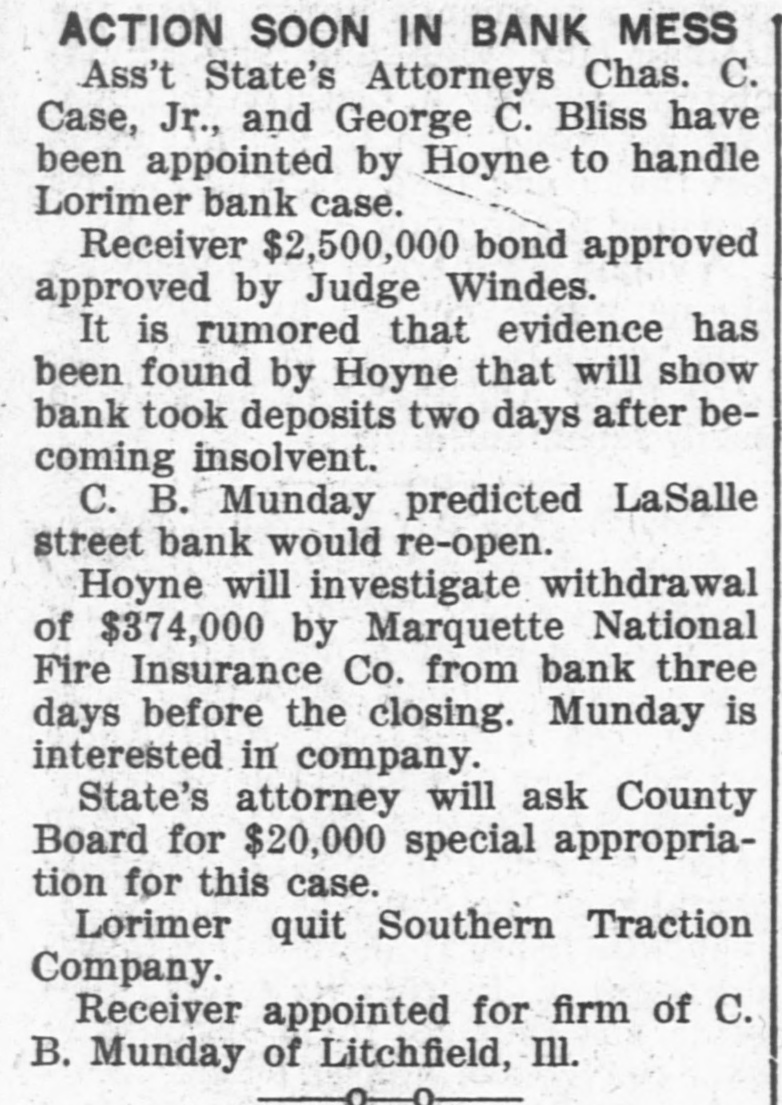
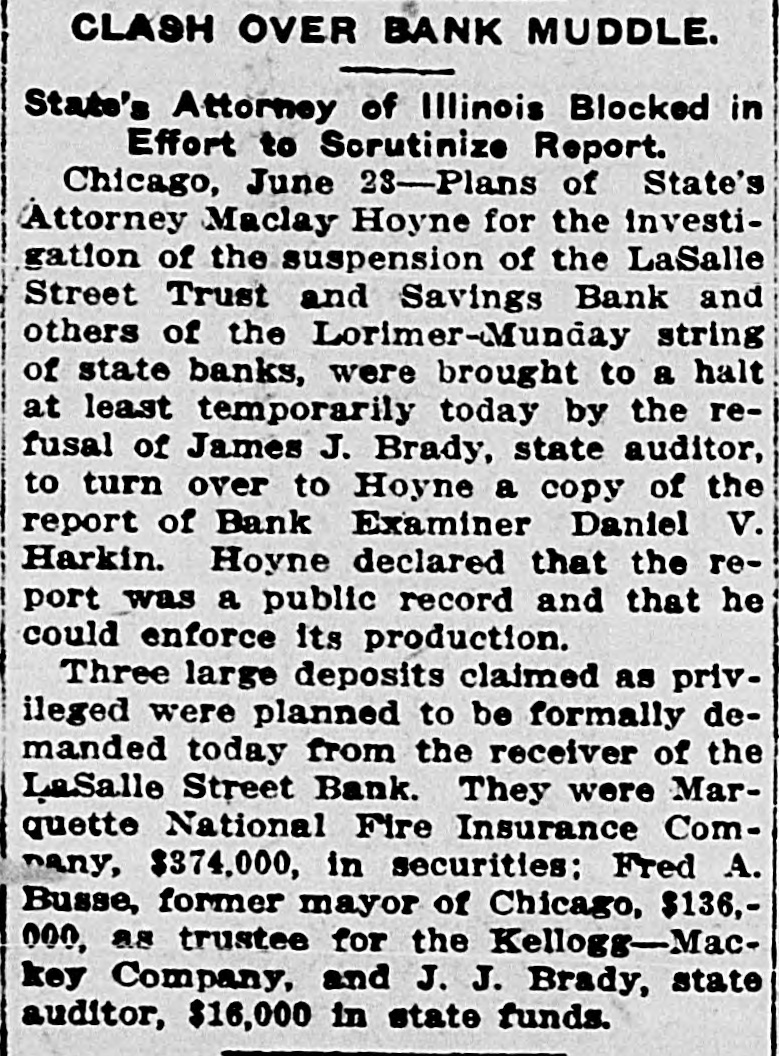
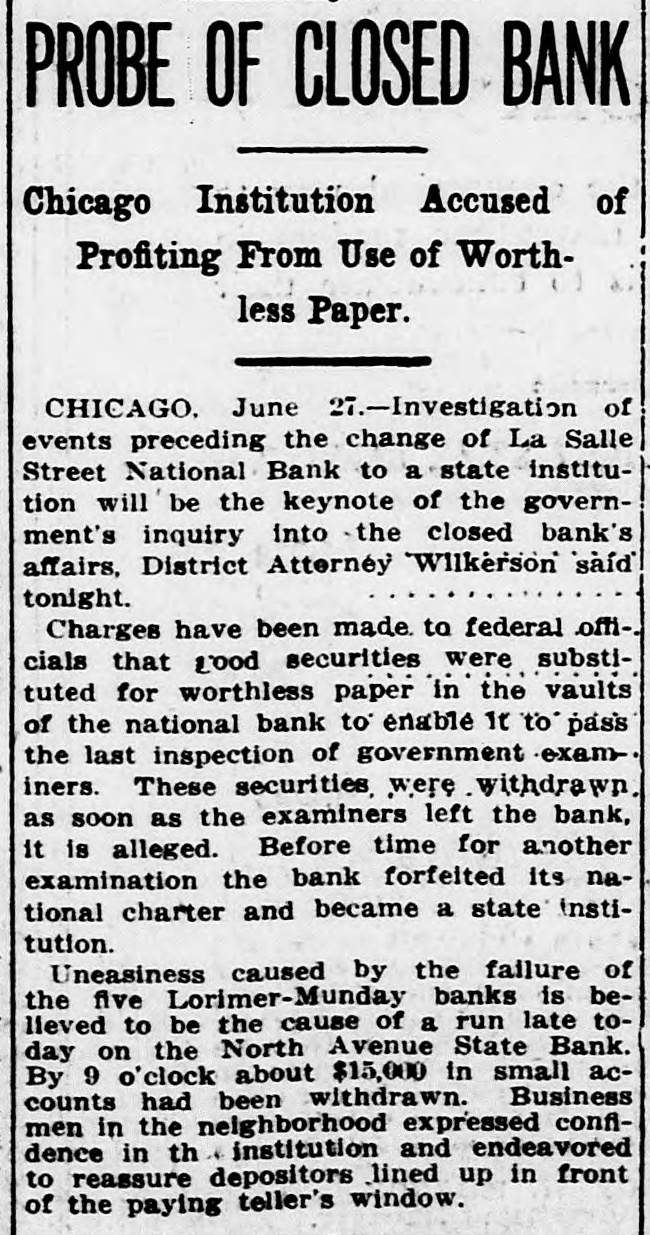
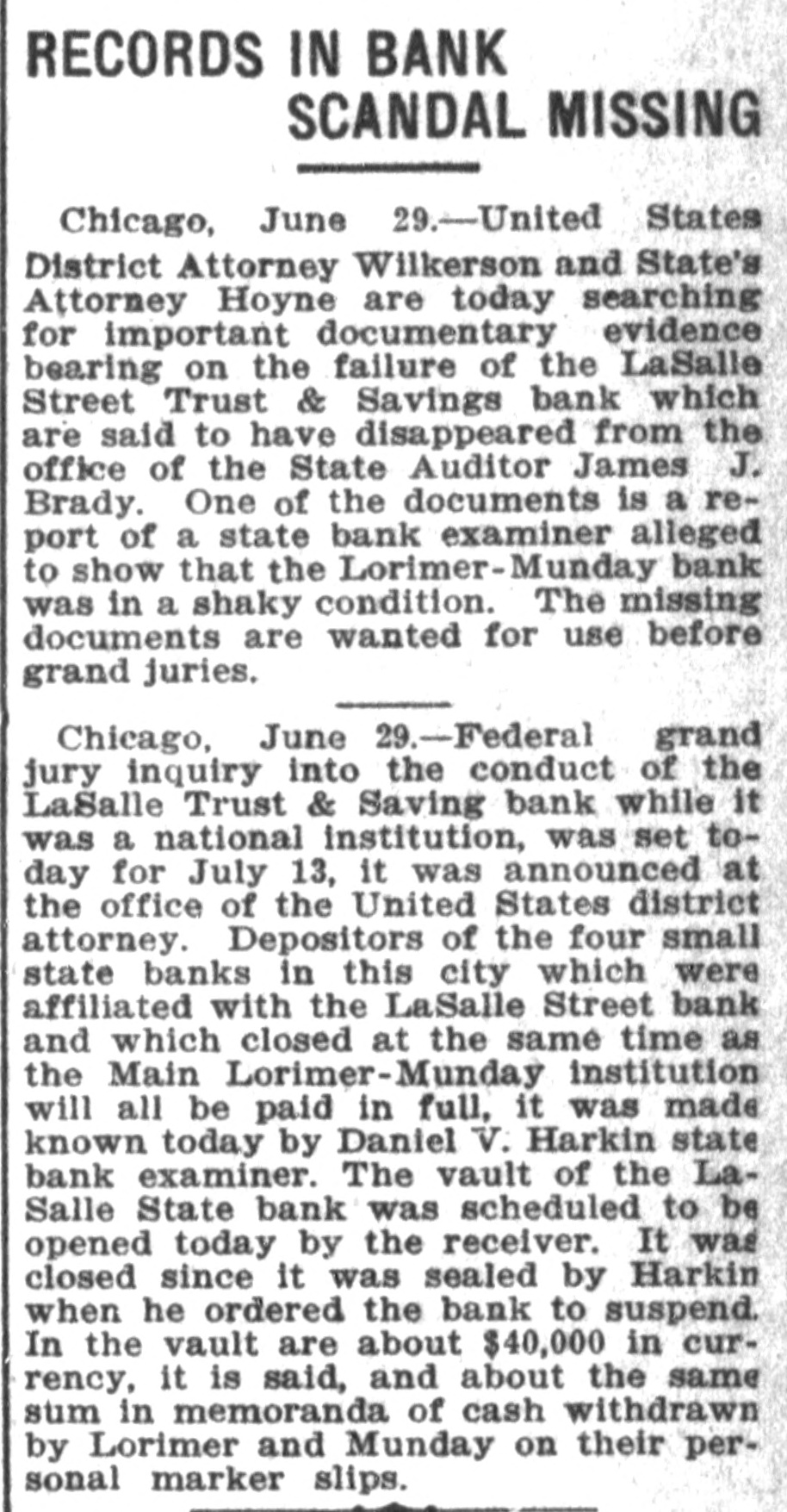
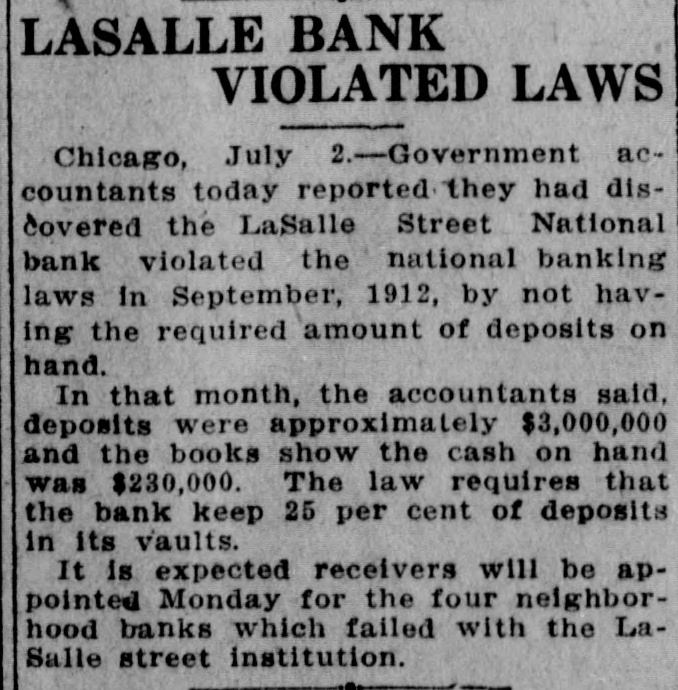
In the beginning it is interesting to note that, while La Follette was leading the fight on Dawes' friend, Lorimer, to expel him from the Senate because of his election to his seat by bribery, Dawes was testifying to the good character of the corruptionist. Lorimer's first banking venture was with the La Salle Street National Bank. In two years it lost $500,000 and was stuffed with worthless paper. Not being able longer to run as a national bank it was reorganized as a State bank.
Mr. Dawes, as president of the Central Trust Co., must have known the character of Lorimer's bank and, after Lorimer's expulsion from the Senate, certainly knew something of Lorimer. Nevertheless, after a visit from Lorimer he turned over a check of $1,250,000 on his own bank to Lorimer, to be inspected by the State bank examiner as evidence of the capital and surplus of the Lorimer bank. The check was a "scrap of paper," intended to deceive, and the cash never left the vaults of the Central Trust Co. Notes of Lorimer's friends, ostensibly to protect the Central Trust Co., also were scraps of paper and afterwards, according to the receiver's attorney, were canceled.
Following the failure of the second Lorimer bank the liability of the Central Trust Co. for deceiving the examiner was fought out in litigation extending over 10 years. Dawes' bank was saved from making good the full amount of its misrepresentation to the State only by the reversal of a decision and a ruling that it was liable only to the amount of the difference between $1,250,000 and the combined credit of the signers of the 10 dummy notes at the time of signature. This difference proved to be $165,000.
The Central Trust Co. endeavored to escape liability by alleging:
* * * That the entire transaction in question was done and carried out by William R. Dawes, the cashier of the trust company, under the authority of Charles G. Dawes, its president, without the knowledge or authority of the board of directors or executive committee. * * *
And that any acts done by them of that character were beyond their authority and not binding on the trust company.
The entire story is of court record. Voters who intend to vote for Charles G. Dawes for Vice President owe it to themselves to find out whether Charles G. Dawes once knowingly made it possible, by deceiving the State of Illinois, to float a wildcat bank, presided over by a politician of proved corruption, the inevitable failure of which caused heavy loss to innocent people.