Click image to open full size in new tab
Article Text
Scraps and facts
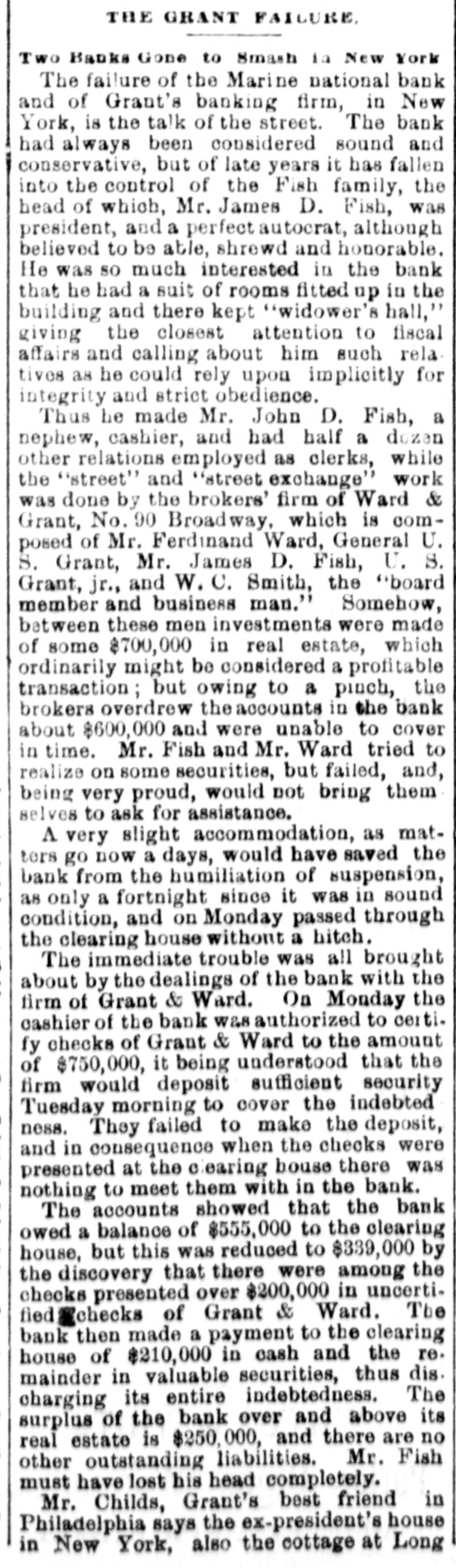
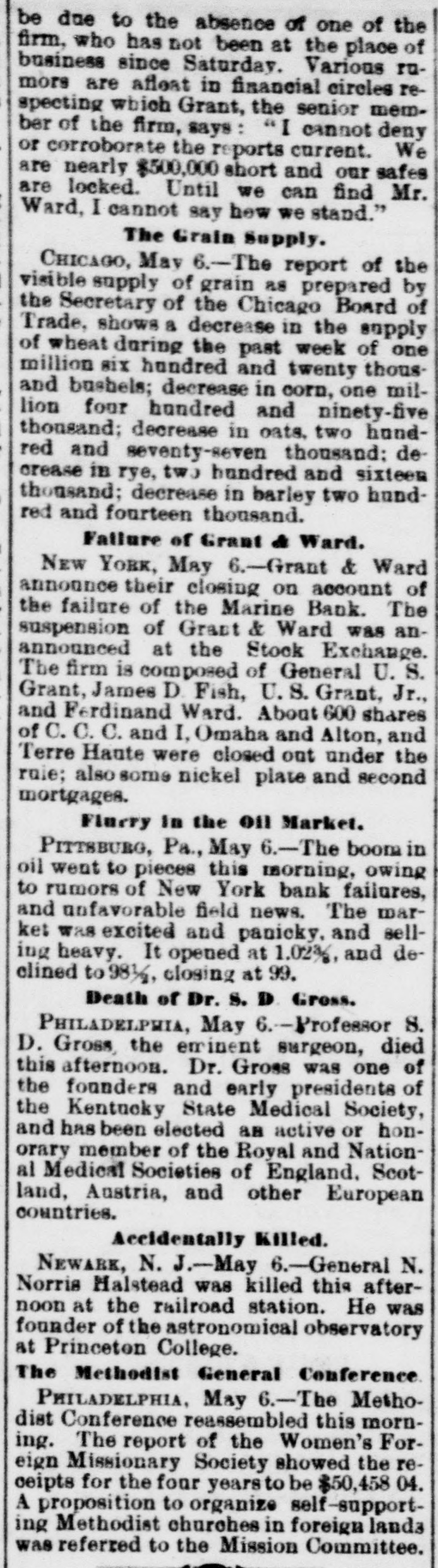
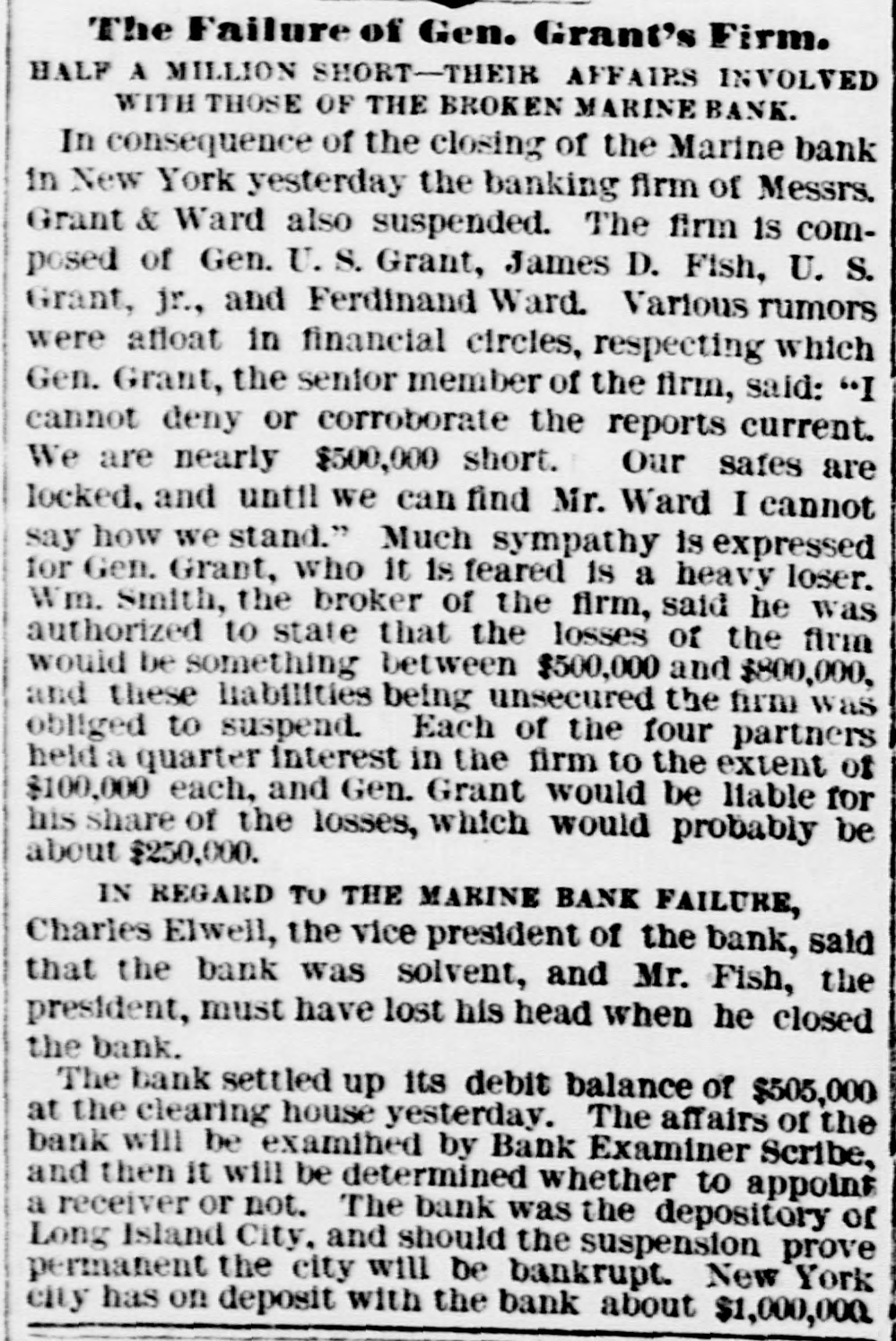
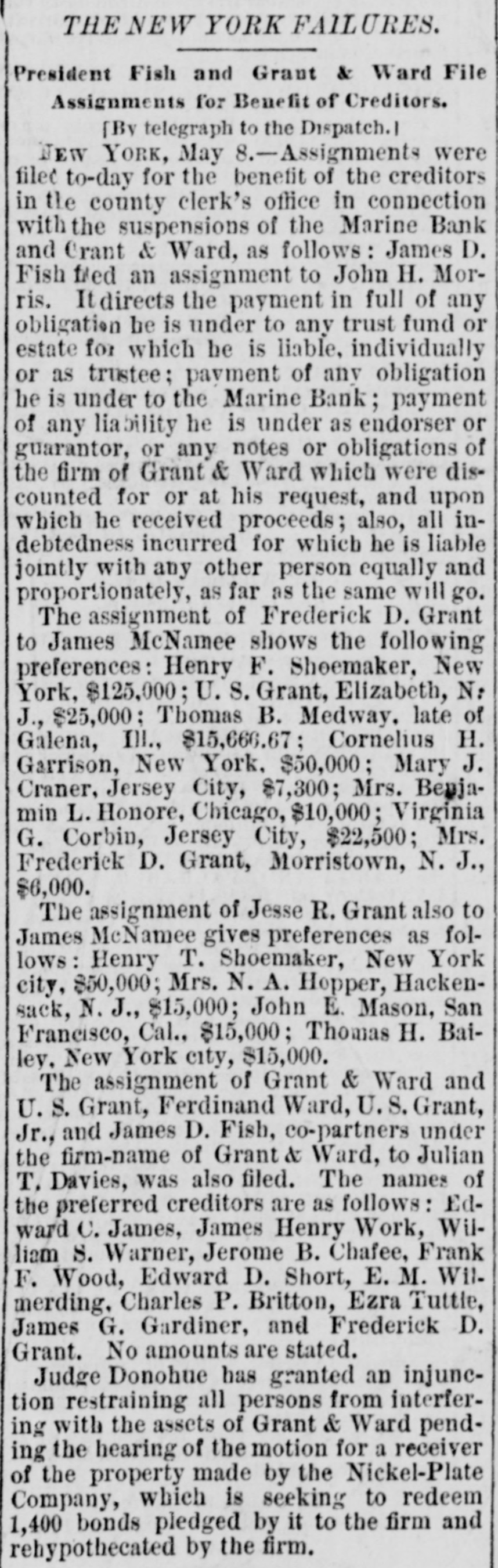
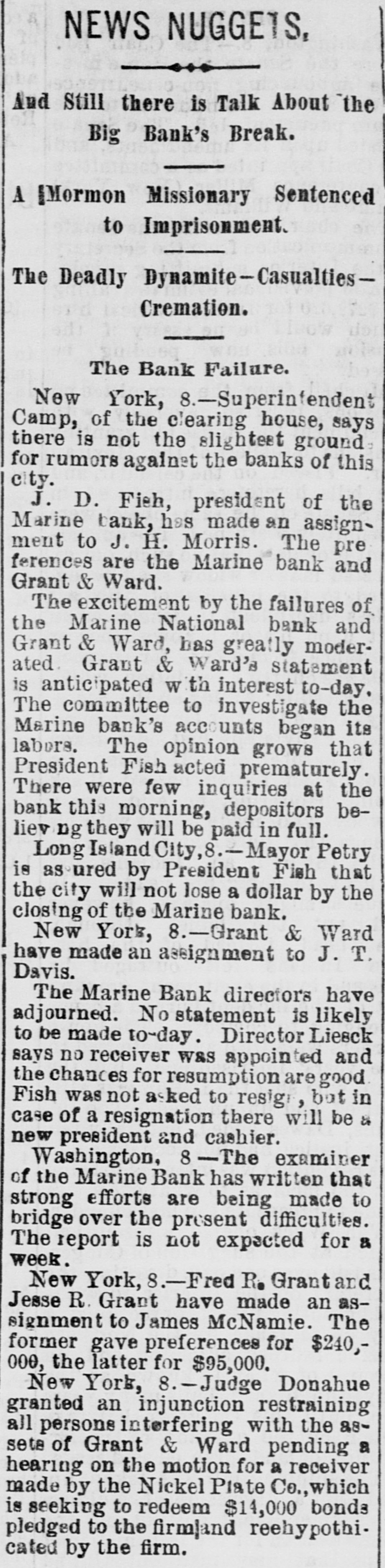
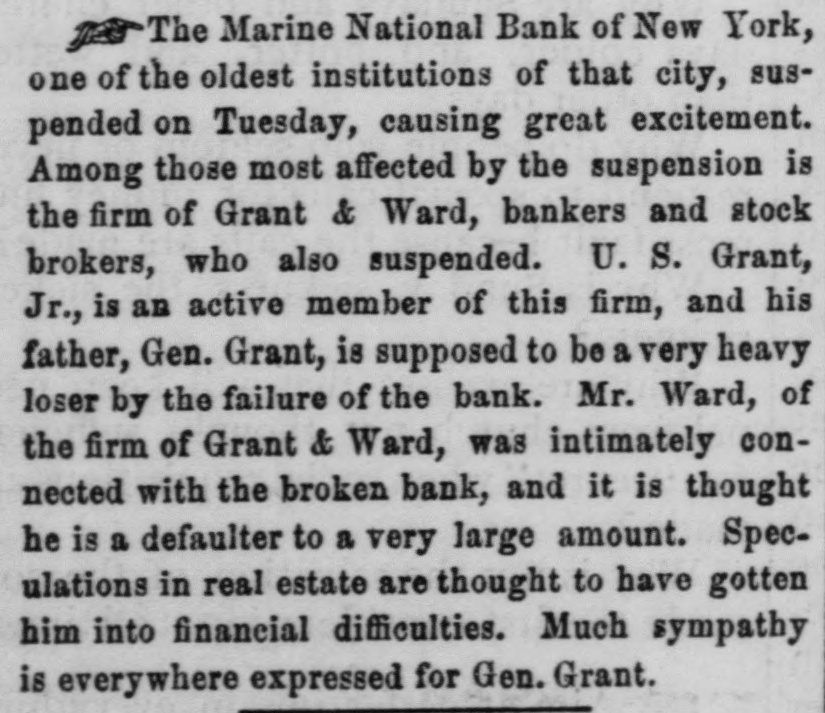
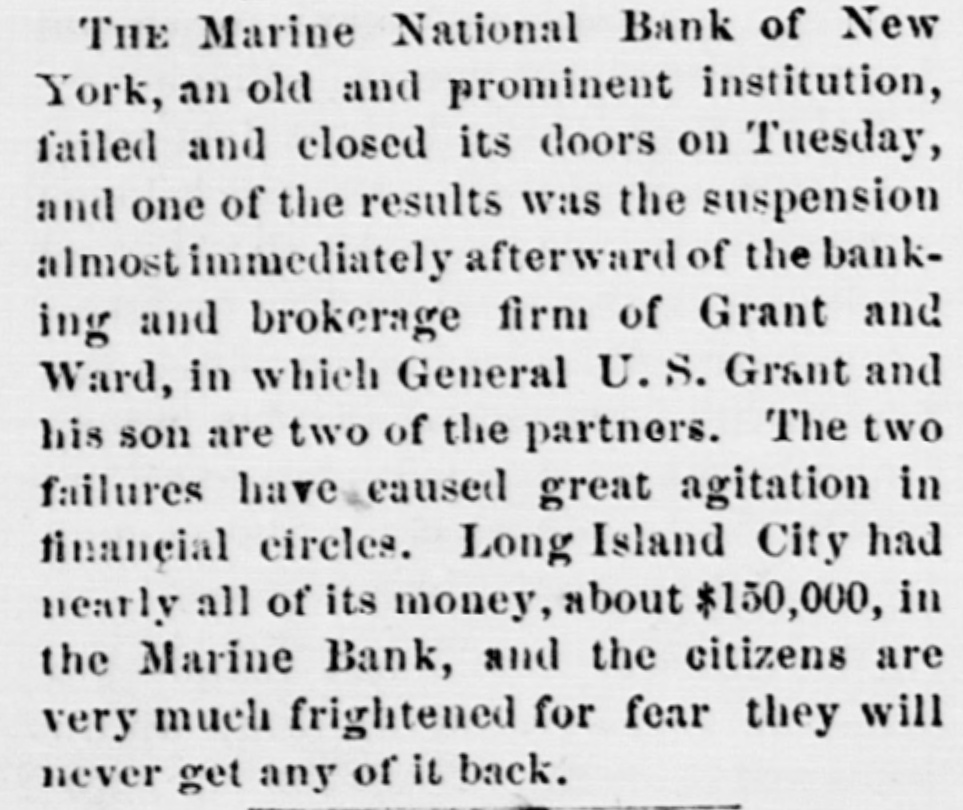
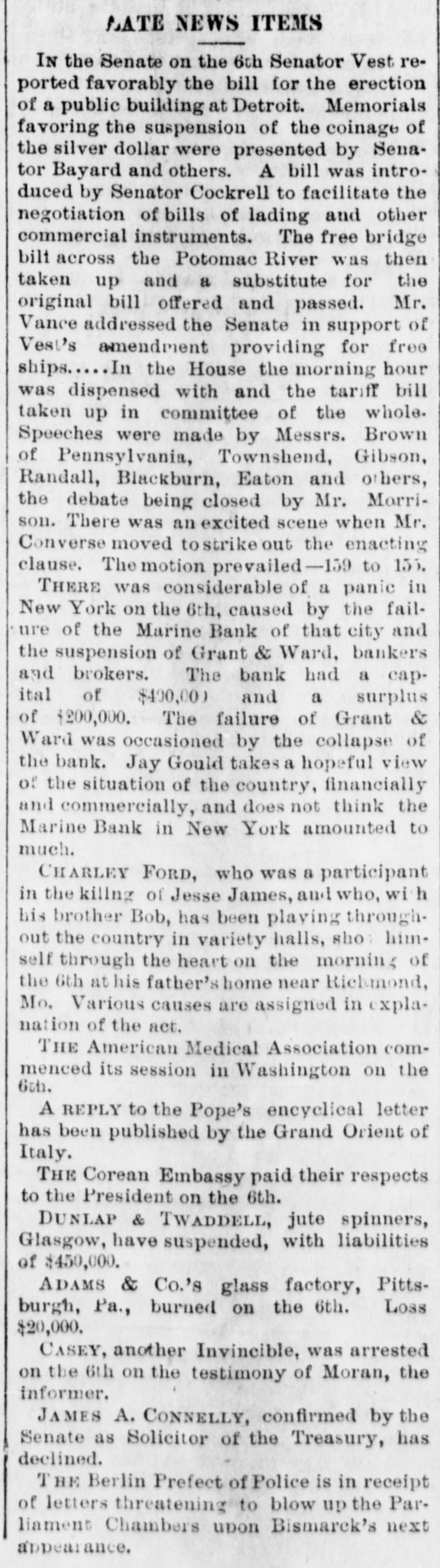
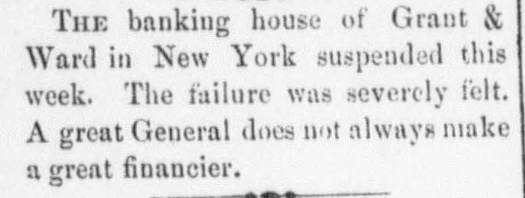
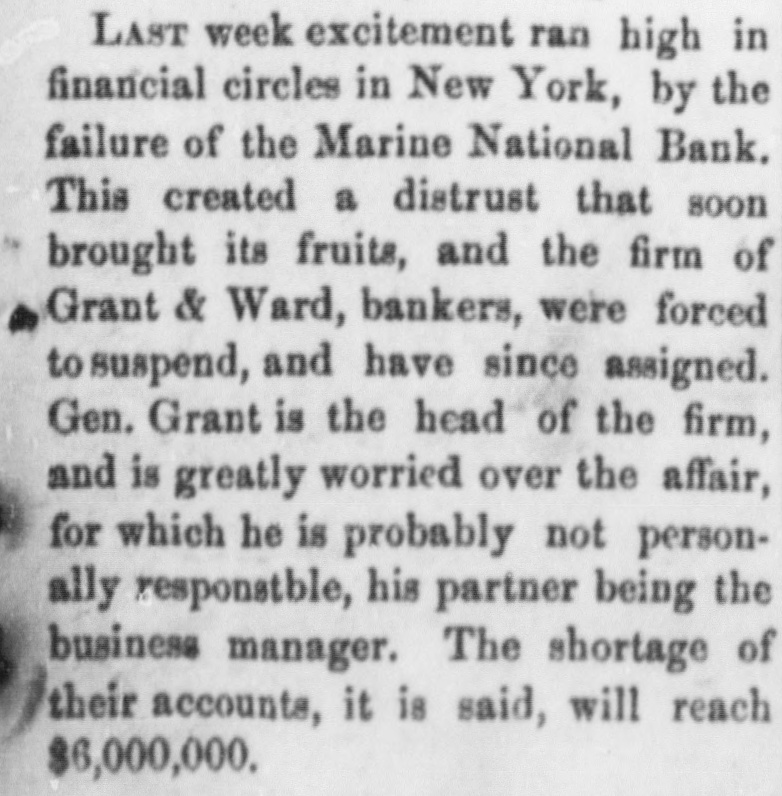
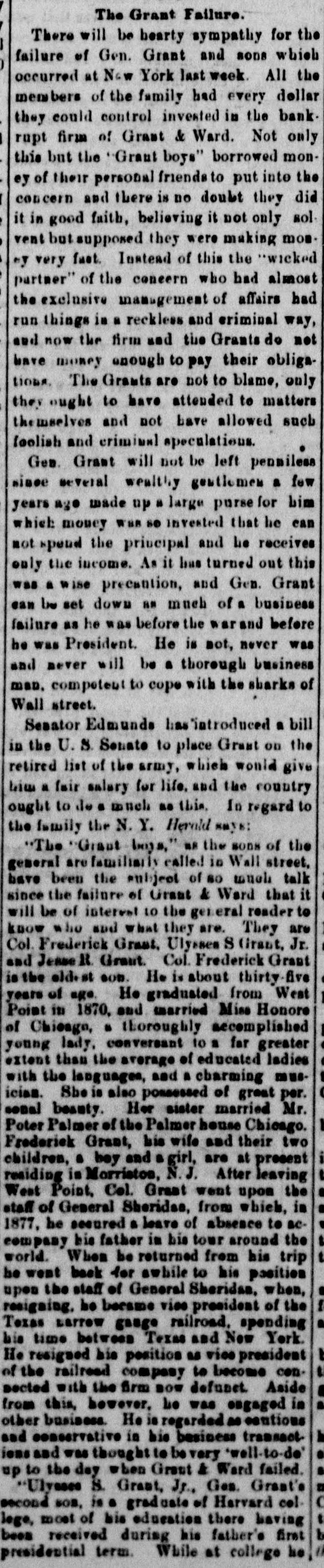
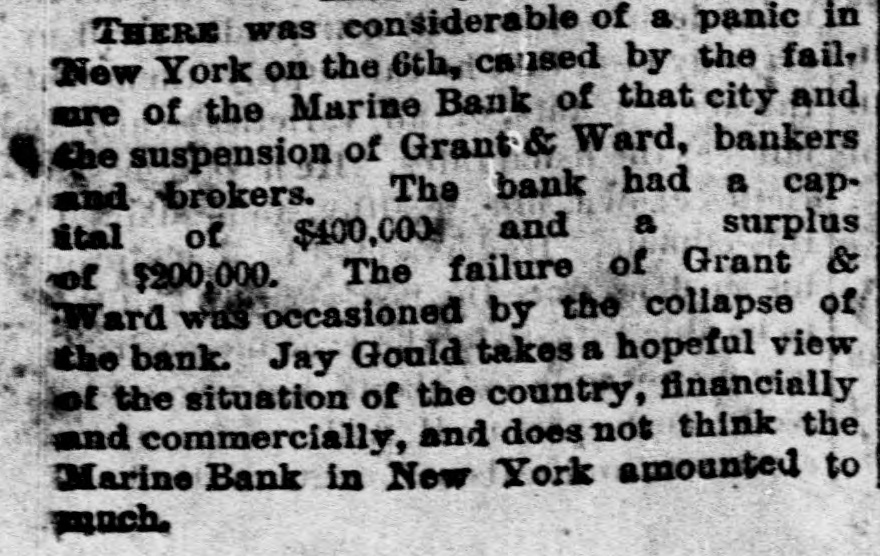
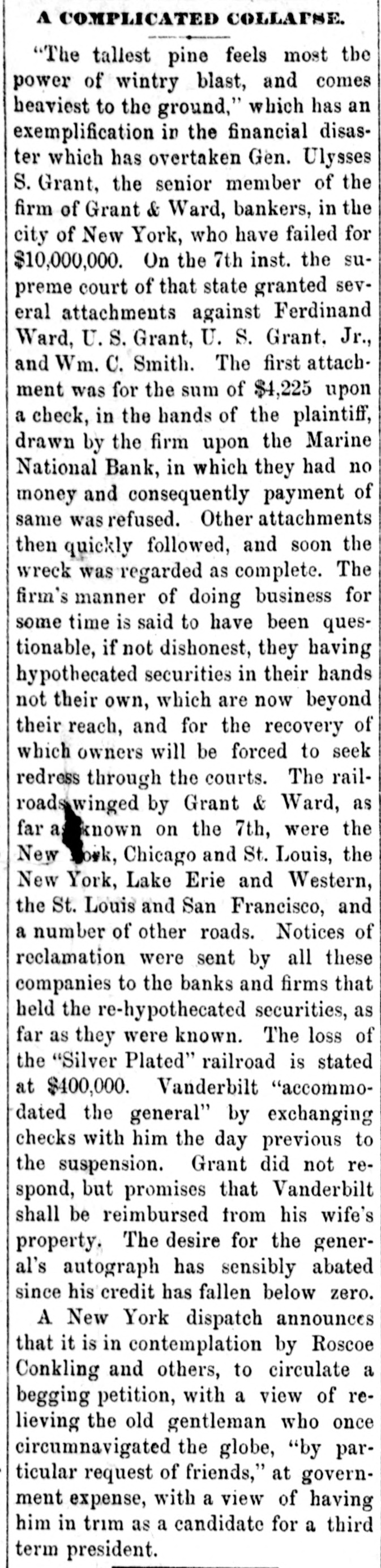
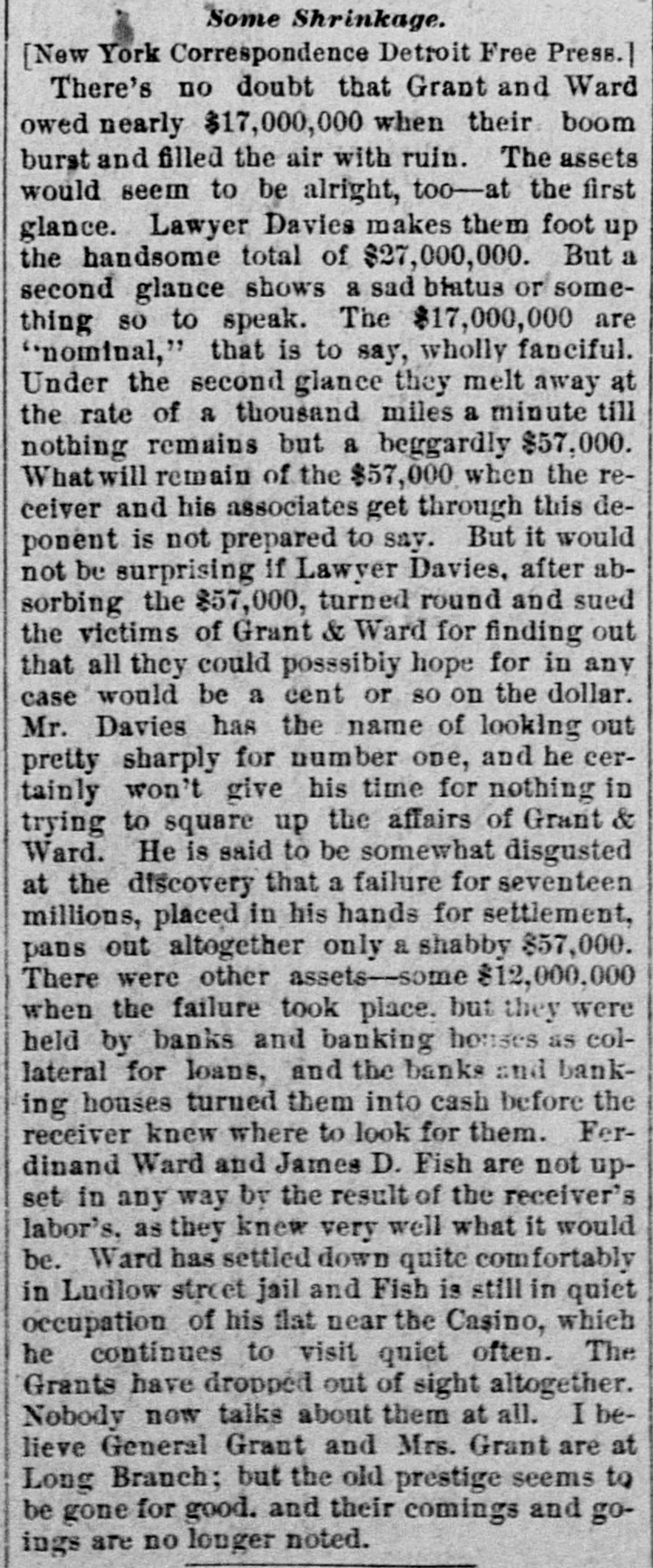
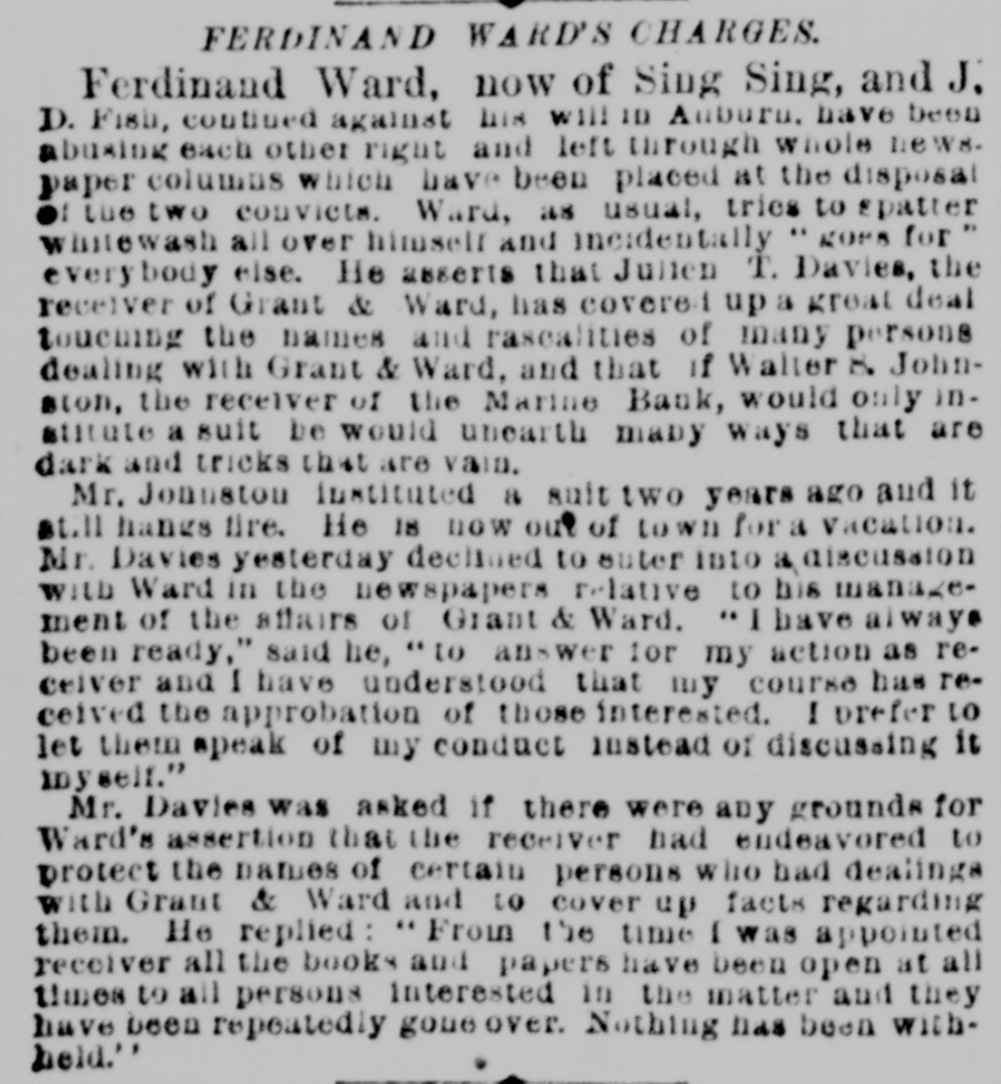
- It is rumored that there will be four candidates for Governor in Georgia, the Whigs Republicans, Greenbackersand Democrats, each having a candidate in the fleld. The bones of Carl Bechtler, who committed suicide near Rutherfordton, N. C., forty years ago, Chris. Bechtler and August Bechtler, three men of prominence in their day, were disinterred recently and placed in boxes for shipment to Germany. The National Anti-monopoly Convention met in Chicago on the 14th and nominated Benjamin F. Butler for President. There will be five other national conventions for the nomination of candidates for the Presidency, viz.: The Greenback-I Labor, in Indianapolis, May 28; the Republican, in Chicago, June 19; the Democratic, in Chicago July 8, and the prohibition in Pittsburg, July 23, the date of the last having been postponed from May, 21. Thomas L. Shields, the slayer of James G. Sitton, superintendent of a gold mine in Mecklenburg, N. C., about twelve months ago, and who was convicted and sentenced to be hanged on the 12th day of October, 1883, but who appealed to the Supreme Court, been granted hasbeengranted a new trial. Shields made a remarkable escape from the Mecklenburg jail a few weeks ago, but was recaptured on the following day and returned to prison. A young German, Henry Hulsner, of Savannah, sent a barrel of Georgia potatoes to his father, residing in the town of Hanover, Prussia. A letter from Mr. Hulsner states that the German officials siezed the potatoes and searched his father's house and put him under police surveilance, the innocent Georgia roots being magnified into a Socialist plot to introduce the Colorado potato bug into the empire. The German consul at Savannah has been called upon to set the matter straight. About ninety delegates from South Carolina attended the Southern Baptist Convention at Baltimore. The Home Mission Board reported that the total contributions for the year were $56,414; from South Carolina, $2,988. The Foreign Mission Board reported the total contributions, $89,625. Of this amount, South Carolina contributed $7 $7,690. There is reported a balance on hand for the first named Board of f$3,442, and a balof Missions for hand $9,566. on Foreign ance The next meeting of the Convention will be held at Augusta, Ga., in May, 1885. -General Grant concluded his letter expressing regret at his inability to attend the opening of the fair in Richmond, Va., in aid of the proposed Confederate Home, as follows: "I hope the fair may prove a success, and that the object contemplated may receive a support which will give to all the brave men who need it, a home and rest from cares. The men who faced each other in deadly conflct can well afford to be the best of friends now, and only strive for the rivalry in seeing which can be the best citizens of the grandest country on earth. - Anything like a general financial crash, in consequence of the failure of Grant & Ward of the Marine bank, in New York, has been averted, though several important failures followed the closing up of the business of Grant & Ward, who seem to have been the most reckless of stock gamblers. With them nearly all the family connections of the Grants claim to have lost their entire property. It is alleged that Chaffee, the wealthy father-in-law of young U. S. Grant, is left almost penniless by the collapse of the young operator's banking house. Charges of fraud and swindling have been preferred against Ward, and his business transactions are being judicially investigated. Hon. Wm. H. Barnum, Chairman of the Democratic National committee, was in Washington on Thursday. In an interview, he said his first choice for Democratic standard bearers in the coming campaign were Tilden and Hendricks. The old ticket, he thinks the strongest the party can nominate. Should Mr. Tilden decline, Mr. Flower, of New York, in the opinion of Mr. Barnum, is the strongest man and can carry New York by 60,000 majority, and New Jersey, Connecticut and Indiana, and probably Ohio. After Mr. Flower, Mr. Barnum thinks Mr. Randall the next best man, "by all odds." While expressing this individual opinion as to the relative strength of individuals, Mr. Barnum, when asked whom he favored, replied, The nominee.' - About 11 o'clock on the morning of the 14th, a collision on the Baltimore and Ohio Railroad, one mile east of Connellsville, between a freight train west and a construction train east, resuted in a terrible loss of life. The construction train consisted of six camp cars containing fifty laborers on the way to the Ohio Pyle Falls to work. It was telescoped and many men were crushed to death. Many of those who escaped death are terribly injured. There was a sharp curve where the accident occurred, and the trains came together with a crash. The cars took fire and the bodies were burned. The number killed outright is stated at fourteen, several of whom were burned and otherwise disfigured beyond recognition. It is true that Ben, an educated negro belonging to Gen. Jeff Davis, did buy the Davis plantations for $200,000, but it was a flat failure, and Ben was released from his bargain. The Washington correspondent of the Augusta Chronicle writes of him "He is now in the West engaged in commercial pursuits and doing reasonably well. He is a remarkable, phenomenal exceptional and most worthy black man, but he does not own Hon. Jeff. Davis' plantation. His children have relapsed into the ordinary intellectual dullness of the race. Dr. Cartwright, the celebrated ethnologist, took Ben's eldest son and had him educated at Paris for the practice of medicine. Every advantage was given the young man, but after five years of trial he was dismissed without a diploma." - One night last week a train of the Richmond and Danville Railroad was drawn from Richmond as far as Danville by a locomotive that was supplied with the newly patented electric headlight. The President of the road was on the engine to satisfy himself as to the working of the light. It was pronounced a success. For four hundred yards ahead the engineer could distinguish the smallest pebbles on the track and could readily see a man one mile distant from his engine on a straight track